


London City Healthcare
Book appointment

Fit-for-work Assessments

Clear, Occupational Health doctor-led assessments to help employers make safe, confident decisions about work capability.

What is a fit-for-work assessment?

A Fit-for-Work Assessment evaluates whether an employee can safely and effectively perform their role, with or without reasonable adjustments, by bridging the gap between general medical advice from a GP and the specific physical, mental, and safety demands of the job. The assessment focuses on functional capability rather than diagnosis alone.

What the assessment covers

Our Fit-for-Work Assessments provide an independent medical opinion, delivered by experienced, SOM-accredited Occupational Health GPs. Each assessment is focused on real-world job demands and delivers a clear, risk-based outcome — not vague medical commentary.

Review of job duties and role demands

  •  Medical history relevant to work capability
  •  Clinical assessment (where appropriate)
  •  Impact of symptoms, treatment, or disability on function
  •  Consideration of reasonable workplace adjustments
  •  A clear opinion on fitness for work
  •  Recovery, review, or progression timelines (where available)

We focus on what the employee can do, not just what they cannot.


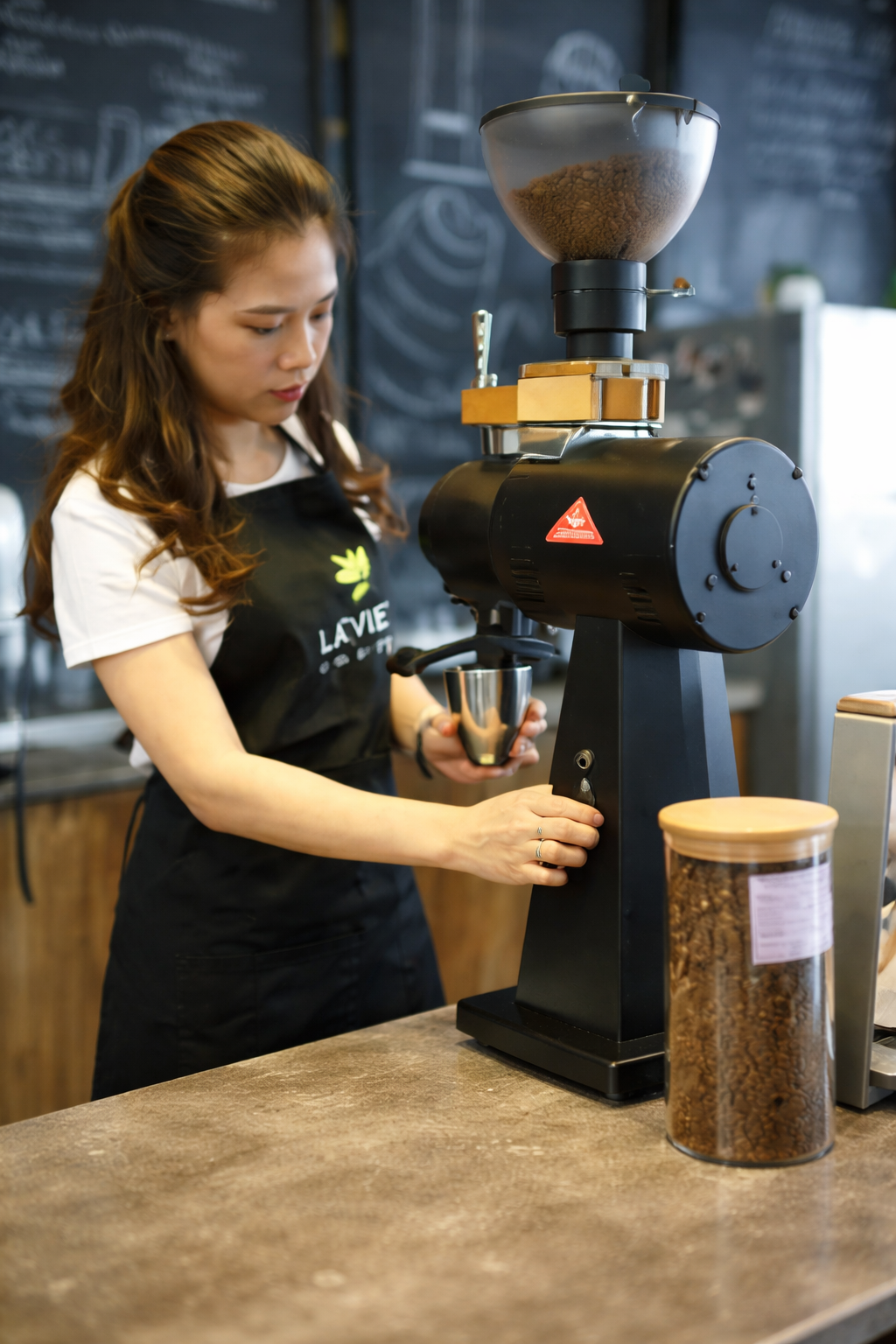
Lady working in coffee shop Group of colleagues
EMPLOYER BENEFITS

What employers can expect

You receive a clear, structured occupational health report setting out:

 Fitness-for-work outcome

 Practical, evidence-based workplace adjustments

Advice on duties, hours, or restrictions

Risk considerations relevant to the role

Clear guidance that supports HR and management decisions

OUTCOMES

Typical fitness-for-work outcomes

Following assessment, we provide clear, practical advice on an individual’s fitness for the role and any factors that may affect safe or sustainable work. Outcomes may include confirmation that the individual is fit for the role, fit with adjustments or restrictions, or temporarily unfit pending further information or recovery. Our guidance helps employers make informed decisions while supporting safe, fair and inclusive employment.


Recommendations may include:

  • 01

    Phased return to work

    A structured, time-limited plan that gradually increases hours and responsibilities.
 This supports recovery while reducing the risk of relapse or injury.

  • 02

    Temporary or permanent modified duties

    Adjustments to tasks, workload, or responsibilities to align with current capabilities.
 These may be reviewed as the employee’s condition improves or stabilises.

  • 03

    Ergonomic equipment or adjustments

    Recommendations to improve workstation setup, tools, or posture.
 Aimed at reducing strain, discomfort, and the risk of further injury.

  • 04

    Restricted hours or shift patterns

    Limits on working hours, night work, or specific shifts where appropriate.
 Designed to manage fatigue, symptoms, or treatment demands.

  • 05

    Home or hybrid working

    Flexible working arrangements to support health needs and work sustainability.
 May be temporary or ongoing depending on role requirements.

  • 06

    Redeployment to an alternative role

    Consideration of a more suitable position within the organisation.
Used when current duties cannot be safely performed despite adjustments.

  • 07

    Further review following treatment or recovery

    Planned reassessment after a defined period or medical intervention.
 Ensures fitness-for-work recommendations remain appropriate over time.

Sarah

Warehouse Operative

Return to work with adjustments

Sarah was absent from work with chronic back pain and required occupational health clearance before returning to her role. The assessment reviewed the manual handling demands of her job alongside her functional movement and current symptoms.

She was considered fit to return to work with adjustments. A phased return was recommended, with temporary restrictions on heavy lifting and modified duties to reduce spinal load. Regular breaks and the provision of ergonomic seating were also advised to support symptom management during the working day.

Sarah returned to work safely, her symptoms improved, and she was subsequently able to resume her full duties.

  • Outcome included:
  • Phased return to work
  • Temporary restriction on heavy lifting
  • Modified duties
  • Regular breaks and ergonomic seating


Industries we support

We partner with employers across a diverse range of professional, commercial, and service-led sectors, including:

Financial Services & Banking

Consulting & Professional Services

Technology & Digital

Legal Services & Corporate Offices

Healthcare & Life Sciences

Consulting & Professional Services

Public Sector & Not-for-Profit Organisations

Media, Marketing & Creative Industries

Legal Services & Corporate Offices

Hospitality

Retail & Consumer Services

Education & Academic Institutions

FAQ

Things we’re
commonly asked

An independent medical assessment of an employee’s ability to carry out their role safely and effectively.

Employees with health issues affecting attendance, performance, or safety.

Within 5 working days, with urgent appointments available.

Yes. Reports are shared with the employer and employee, with consent.

Not routinely — relevant clinical information is obtained during consultation.

Fit / Fit with restrictions / Not fit / Further review required.

Yes — clear, practical recommendations employers can implement immediately.

The employer usually pays for the assessment, but there may be exceptions.

Yes — you can ask for a review of the assessment or seek a second opinion.
Get started

Let’s chat through your needs today

We’ll guide you to the right service and arrange fast, doctor-led occupational health assessments tailored to your needs.